


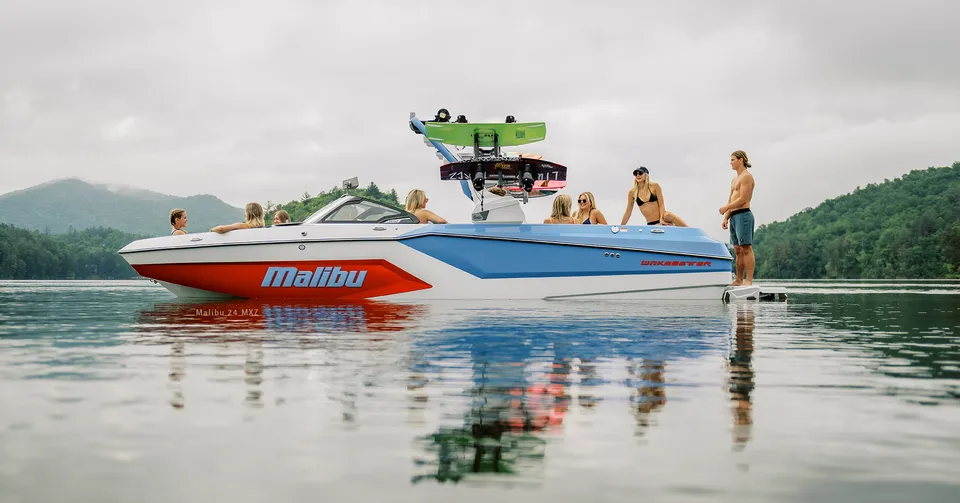
Navigating the expansive waters of Lake Murray requires a tactical understanding of local conditions and a proactive commitment to safety. With more than 50,000 acres of water and 500 miles of shoreline stretching out from Leesville, South Carolina, this massive reservoir offers an exceptional environment for angling, watersports, and cruising. However, hidden hazards, variable depths, and heavy seasonal vessel traffic mean that responsible seamanship is a non-negotiable requirement. For boaters in the Midlands, a safe excursion relies entirely on deliberate pre-departure preparation and an understanding of the unique maritime rules governing the lake.
1. Comprehensive Lake Familiarization
Lake Murray’s size means that conditions can vary drastically from the open waters near the Dreher Shoals Dam to the tighter channels of the Saluda River inlets. Submerged hazards, shifting sandbars, and shallow points around the lake's numerous islands require constant vigilance.
- Navigational Charts: Always maintain updated digital or paper charts of the lake. Areas surrounding popular islands can drop in depth rapidly, exposing your running gear to underwater structures.
- Buoys and Markers: Pay strict attention to regulatory markers. Lateral buoys, hazard signs, and restricted no-wake zones are actively enforced to protect boaters, shorelines, and docks.
- Orientation: Memorize major land-based features and local boat ramps. Having a visual backup is critical if your integrated GPS display or cellular signal fails.
2. Monitoring South Carolina Weather Patterns
Weather in the Midlands can shift rapidly, particularly during the hot summer months when afternoon squalls develop with little warning. A calm, glassy surface in a protected cove near Leesville can mask rough, choppy conditions out in the wide sections of the main channel.
- Pre-Trip Planning: Review marine-specific atmospheric forecasts before launching.
- On-the-Water Indicators: Monitor the horizon for vertical cloud development, sudden temperature drops, or abrupt wind shifts.
- Safe Return: If conditions begin to deteriorate, do not attempt to outrun the weather. Head immediately to the nearest safe dock or return to port.
3. Execution of Safe Boating Protocols
Adhering to South Carolina maritime laws and standard safety courtesies prevents avoidable accidents and legal liabilities.
- Personal Flotation Devices (PFDs): State law dictates that all children under the age of 12 must wear an approved, properly fitted Life Jacket while on board a vessel under 16 feet in length. Best practice dictates having accessible PFDs on hand for every passenger on board, regardless of vessel size.
- Speed Limits and No-Wake Zones: Strictly respect all posted speed restrictions. Idle-speed zones are designed to protect swimmers, wildlife, and moored vessels from damaging wakes.
- Sober Operation: Operating a watercraft under the influence of alcohol or drugs is illegal, severely impairs your reaction times, and carries heavy penalties.
4. Communication and Float Plans
Maintaining a reliable connection to the mainland is a vital safety backup when navigating long stretches of the lake.
- Device Protection: Keep a fully charged cellular device inside a secure, waterproof floating case.
- VHF Radio: Consider equipping your vessel with a marine VHF radio for direct, reliable communication with emergency services and local marinas.
- Log a Float Plan: Always inform a reliable person on shore exactly where you intend to cruise and your estimated time of return.
5. Pre-Departure Mechanical Inspections
A significant percentage of on-the-water emergencies are caused by preventable mechanical failures. Ensuring your propulsion system is in peak condition is your primary defense against becoming stranded.
- Fluid and Power Audits: Before every launch, check your engine oil levels, fuel quality, and battery charge voltage.
- System Testing: Verify that all navigation lights, bilge pumps, and your horn are fully functional. If your current outboard is showing signs of unreliability or wear, a Mercury Repower or a Yamaha Repower can modernize your hull with superior reliability and digital precision.
- Routine Maintenance: Keep up with your seasonal service intervals. Our certified technicians at the Service department can perform comprehensive diagnostics to ensure your boat is sea-ready.
6. Safety Gear and Asset Protection
A clutter-free, properly equipped deck ensures that critical tools are immediately accessible during an emergency.
- Mandatory Onboard Gear: Your vessel must carry a functional fire extinguisher, a first aid kit, a sound-producing device, an anchor with sufficient rode, and a throwable flotation device. You can stock up on all essential safety equipment at our local Parts department.
- Upgrading Your Platform: If your current boat lacks the structural stability or integrated safety features required for your family's growing needs, browse our inventory of New Boats and Used Boats to find a more capable layout.
7. Docking and Launching Protocols
The final phase of a safe boating day occurs at the ramp or slip, where tight quarters and wind currents require precise control.
- Controlled Approach: Always approach the docks at dead-idle speed, cutting power early to judge the effect of the wind and current.
- Fender Deployment: Hang fenders at the proper height before making contact with the dock structure to protect your hull's gelcoat from abrasions.
- Expert Assistance: Our trained dock Staff is always ready to assist with lines and launching procedures to ensure a seamless transition from the trailer to the water.
Frequently Asked Questions
What financing options are available for new safety tech or boats?
Our dedicated Financing department provides tailored loan options, allowing you to bundle electronics, safety gear, and your vessel into one structured payment.
Where can I learn more about Captain’s Choice Marine?
You can read about our history, our facilities, and our dedication to Lake Murray boaters on our About page, or view our location hours on the Contact page.
How can I stay updated on local boating events and safety workshops?
Check our Events page for upcoming community gatherings, and visit our Blog for continuous technical guides. You can also read verified customer Reviews to see why Midlands captains trust us.